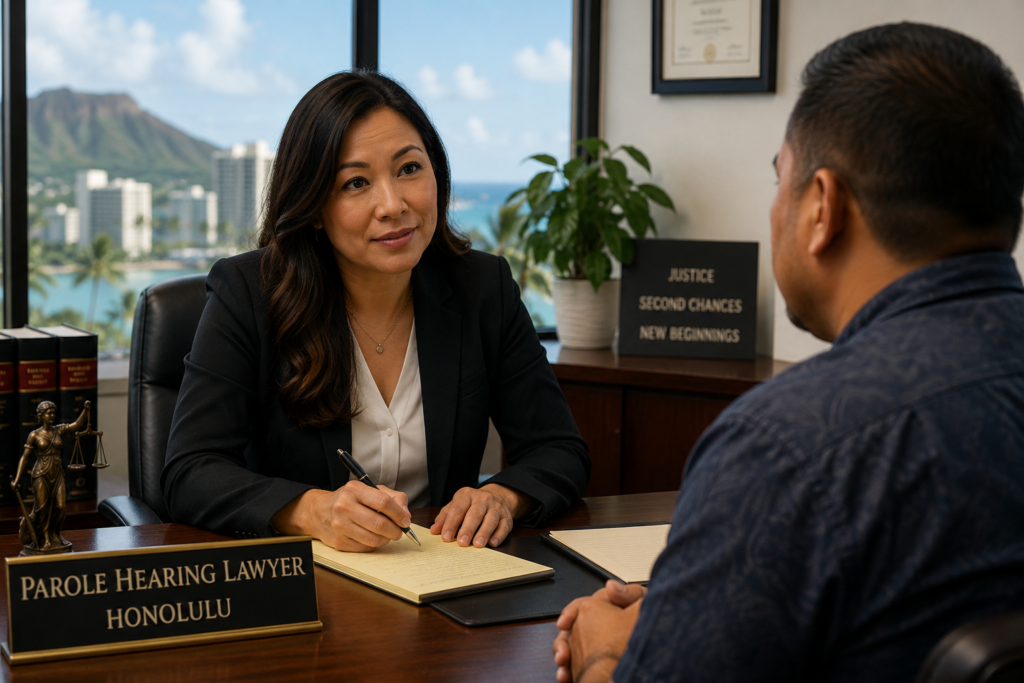
A parole hearing is one of the most important moments in an incarcerated person’s life. It represents an opportunity to demonstrate rehabilitation, accountability, and readiness to safely return to society. However, the parole process is far from simple. Every statement, document, and piece of evidence can influence the parole board’s decision.
Many individuals believe they can handle the hearing on their own or rely solely on family support. While emotional support is valuable, professional legal guidance often makes a significant difference. A knowledgeable parole hearing lawyer Honolulu understands Hawaii’s parole procedures and knows how to present a compelling case that addresses the board’s concerns.
In this article, we’ll explain how a parole hearing lawyer can strengthen your case, avoid common mistakes, and improve your chances of securing release.
Understanding the Hawaii Parole Hearing Process
The Hawaii Parole Authority evaluates several factors before deciding whether an inmate is suitable for release. The board’s primary responsibility is protecting public safety while recognizing genuine rehabilitation.
During a parole hearing, the board may consider:
- Criminal history
- Nature of the offense
- Institutional behavior
- Educational achievements
- Participation in rehabilitation programs
- Mental health evaluations
- Substance abuse treatment
- Victim impact statements
- Community support
- Release plans
The board expects applicants to provide honest, thoughtful responses and demonstrate meaningful personal growth. Simply serving time does not automatically qualify someone for parole.
Read More: Top 5 Reasons to Hire a DUI Lawyer in Hawaii After an Arrest
Why Legal Representation Matters
Many parole hearings are denied because applicants fail to properly present their progress or adequately answer difficult questions.
A parole hearing lawyer provides much more than courtroom experience. They prepare every aspect of your presentation to ensure the parole board receives a complete and accurate picture of your rehabilitation.
Legal representation helps ensure:
- Required documents are submitted correctly
- Positive achievements are highlighted
- Weaknesses are addressed honestly
- Rehabilitation efforts are clearly documented
- Family support is organized
- Release plans appear realistic and achievable
Instead of relying on hope, applicants present a structured and persuasive case supported by evidence.
Preparing a Strong Parole Package
One of the most valuable services a lawyer provides is preparing a comprehensive parole packet.
A well-organized parole package often includes:
Personal Statement
A carefully written statement explaining:
- Acceptance of responsibility
- Lessons learned
- Personal growth
- Future goals
Institutional Records
Documentation showing:
- Good behavior
- Work assignments
- Educational certificates
- Vocational training
- Counseling participation
Letters of Support
Strong letters from:
- Family members
- Employers
- Religious leaders
- Community organizations
- Counselors
These letters demonstrate that the applicant has a stable support network after release.
Reentry Plan
A lawyer helps prepare realistic plans covering:
- Housing
- Employment
- Transportation
- Counseling
- Medical care
- Family support
The more detailed the plan, the more confidence the parole board may have in a successful transition.
Helping You Prepare for Difficult Questions
Parole board members ask direct questions that require honest and thoughtful answers.
Examples include:
- Why should you be released now?
- What have you learned during incarceration?
- How have you changed?
- What would you do differently today?
- How will you avoid returning to criminal behavior?
Many applicants unintentionally give vague or defensive responses.
A parole hearing lawyer conducts mock interviews, helping clients:
- Answer confidently
- Stay focused
- Show accountability
- Demonstrate genuine rehabilitation
- Avoid harmful statements
Preparation reduces anxiety and allows applicants to communicate effectively during the hearing.
Presenting Rehabilitation Effectively
Many inmates participate in numerous positive programs but fail to explain why those programs mattered.
A lawyer connects rehabilitation activities to measurable personal growth.
Examples include:
- Anger management classes
- Substance abuse recovery
- Educational programs
- Vocational certifications
- Faith-based initiatives
- Cognitive behavioral therapy
- Parenting classes
Instead of simply listing accomplishments, the lawyer demonstrates how these experiences reduced future risk.
Addressing Past Mistakes Honestly
Parole boards rarely expect perfection.
They expect honesty.
One of the biggest mistakes applicants make is minimizing their offense or shifting blame.
A lawyer helps clients:
- Accept responsibility
- Express genuine remorse
- Explain behavioral changes
- Demonstrate maturity
- Discuss lessons learned
Authenticity is often more persuasive than rehearsed responses.
Responding to Victim Impact Statements
Victim statements can play an important role during parole hearings.
Although applicants cannot control these statements, a lawyer can help prepare respectful responses that acknowledge the harm caused while emphasizing rehabilitation and accountability.
The goal is not to challenge victims but to demonstrate sincere understanding and personal growth.
Building a Realistic Release Plan
The parole board wants confidence that the applicant will succeed outside prison.
A lawyer helps organize practical details, including:
Employment
Evidence of:
- Job offers
- Vocational opportunities
- Skills training
Housing
Proof of:
- Stable residence
- Family housing
- Transitional housing
Medical Care
Plans for:
- Ongoing treatment
- Medication
- Counseling
Community Support
Support from:
- Family
- Churches
- Mentors
- Community organizations
A strong release plan reduces concerns about future stability.
Related link: Hawaii Firearm Laws Explained: A Complete Guide for First-Time Gun Owners
Avoiding Common Reasons for Parole Denial
A parole hearing lawyer identifies weaknesses before the hearing occurs.
Common reasons parole is denied include:
- Incomplete documentation
- Lack of accountability
- Poor institutional behavior
- Weak release plans
- Insufficient rehabilitation evidence
- Inconsistent testimony
- Lack of community support
Early preparation allows these issues to be addressed before appearing before the board.
Related Link:
Emotional Support During a Stressful Process
Parole hearings are emotionally challenging for both inmates and families.
An attorney provides:
- Clear guidance
- Honest expectations
- Strategic preparation
- Communication with family members
- Confidence throughout the process
Having experienced legal representation often helps applicants remain calm and focused during the hearing.
When Should You Hire a Parole Hearing Lawyer?
The earlier legal representation begins, the better.
Early preparation allows time to:
- Collect records
- Obtain support letters
- Complete rehabilitation programs
- Strengthen release plans
- Identify weaknesses
- Prepare testimony
Waiting until the hearing is only days away may limit opportunities to improve the case.
Choosing the Right Parole Hearing Lawyer in Honolulu
Not every criminal defense attorney regularly handles parole hearings. Working with an experienced Hawaii Criminal Defense Lawyer who also understands the parole process can provide valuable legal guidance throughout your case.
When selecting legal representation, consider:
- Experience with Hawaii parole hearings
- Familiarity with Hawaii Parole Authority procedures
- Strong communication skills
- Thorough case preparation
- Personalized legal strategy
- Positive client feedback
Choosing an attorney with parole-specific experience can make a meaningful difference.
Frequently Asked Questions
Does hiring a parole hearing lawyer guarantee release?
No. No attorney can guarantee a favorable outcome. However, experienced legal representation can significantly improve the quality of your case presentation and help avoid mistakes that could negatively affect the board’s decision.
Can family members help during a parole hearing?
Yes. Family members can provide letters of support, housing plans, employment contacts, and other evidence demonstrating a stable support system after release.
What should be included in a parole packet?
A strong parole packet may include rehabilitation records, educational certificates, employment plans, housing information, support letters, counseling documentation, and a personal statement explaining rehabilitation and future goals.
How early should someone begin preparing?
Preparation should ideally begin several months before the scheduled hearing to allow enough time to gather documentation, complete programs, and develop a comprehensive release plan.
Can a lawyer help if parole was previously denied?
Yes. An attorney can review the reasons for the denial, address identified weaknesses, strengthen supporting evidence, and prepare a more persuasive presentation for a future hearing.
Conclusion
Preparing for a parole hearing requires much more than showing up on the hearing date. Success depends on demonstrating rehabilitation, accountability, and a realistic plan for life after incarceration. An experienced parole hearing lawyer Honolulu can help organize evidence, prepare testimony, develop a comprehensive parole packet, and present the strongest possible case before the Hawaii Parole Authority.
If you or a loved one is approaching a parole hearing, working with skilled legal counsel can provide the preparation and guidance needed to improve your chances of a successful outcome and a smoother transition back into the community.
